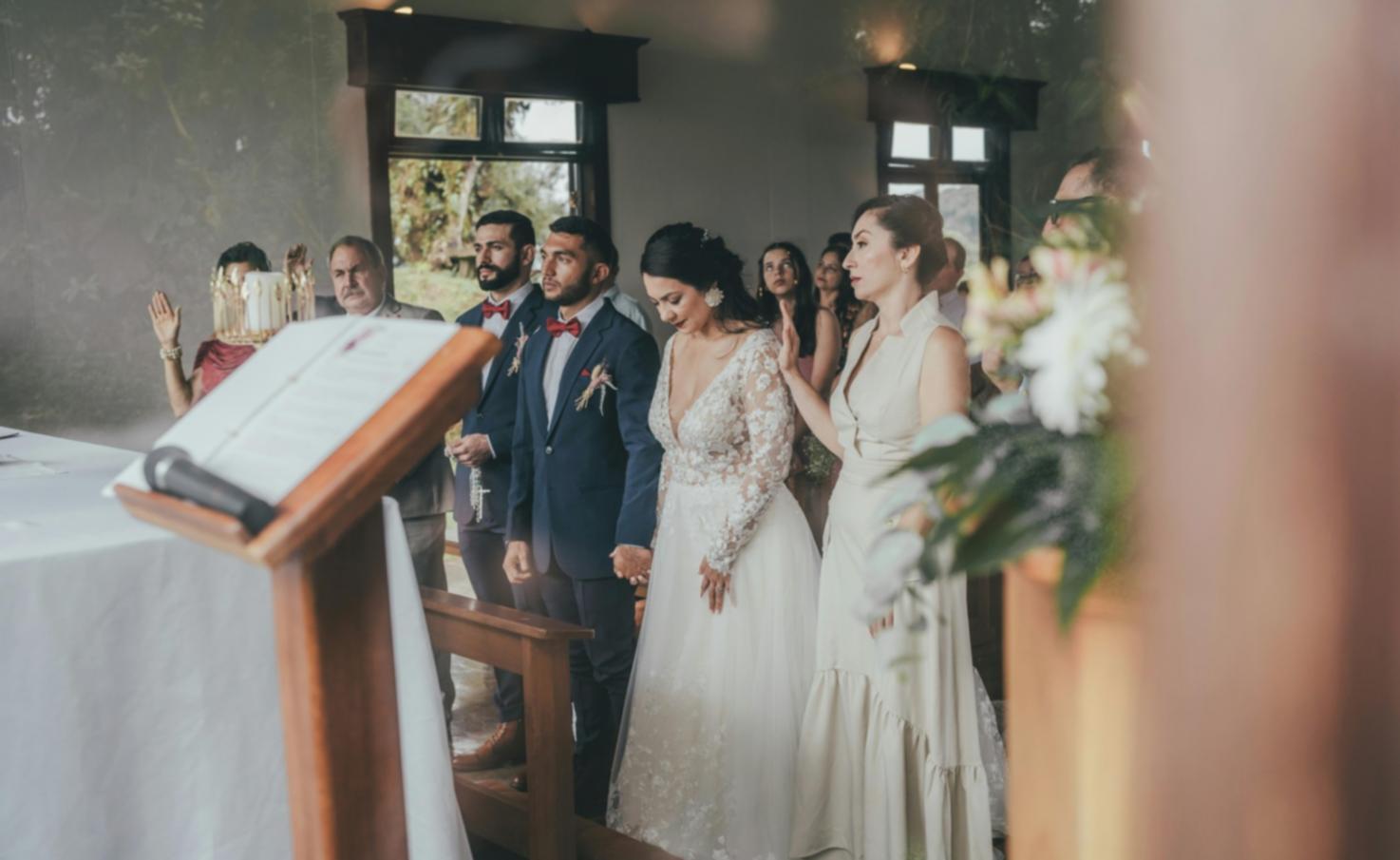
Event floristry that transforms spaces into experiences
Learn the techniques professionals use to design arrangements that guests remember. From intimate gatherings to large-scale installations, build skills that translate directly to paid work.
The florists you'll be learning alongside
Wedding specialists
Designers who work with couples to create ceremony backdrops, bouquets, and reception centerpieces. They balance client vision with seasonal availability and budget constraints.
Corporate event stylists
Florists who handle brand launches, conferences, and company celebrations. They coordinate with venue teams and deliver consistent quality across multiple events per month.
Independent studio owners
Professionals building their own client base, managing everything from sourcing flowers to final installation. They need versatile skills to handle diverse projects.
Is this the right place for you?
You'll fit here if
- You already work with flowers occasionally and want to handle larger events with confidence
- You're comfortable learning through video demonstrations and applying techniques to your own projects
- You need structured training that fits around client work or other commitments
- You want feedback from instructors who currently work on events, not just teach theory
- You're willing to invest in quality materials to practice what you learn
This won't work if
- You've never touched floral foam or wired a stem before and expect instant results
- You need in-person supervision for every step of a project
- You're looking for a quick certificate without putting in practice hours
- You expect the course to find clients for you or guarantee bookings
- You're not ready to source your own flowers and materials for assignments
How learning here actually works
Real event scenarios
Each module is built around an actual event type. You learn the same workflow you'd follow for a paying client, from initial consultation through final setup.
Technique breakdowns
Close-up video shows hand positions, tool angles, and timing. Instructors explain what can go wrong and how to fix it before it becomes visible to clients.
Seasonal adjustments
Lessons include substitution guides for different times of year. You learn to adapt designs based on what's available, not just what's in the original plan.
Pricing frameworks
Modules cover how to calculate material costs, labor time, and markup. You see examples of quotes for different event sizes and client budgets.
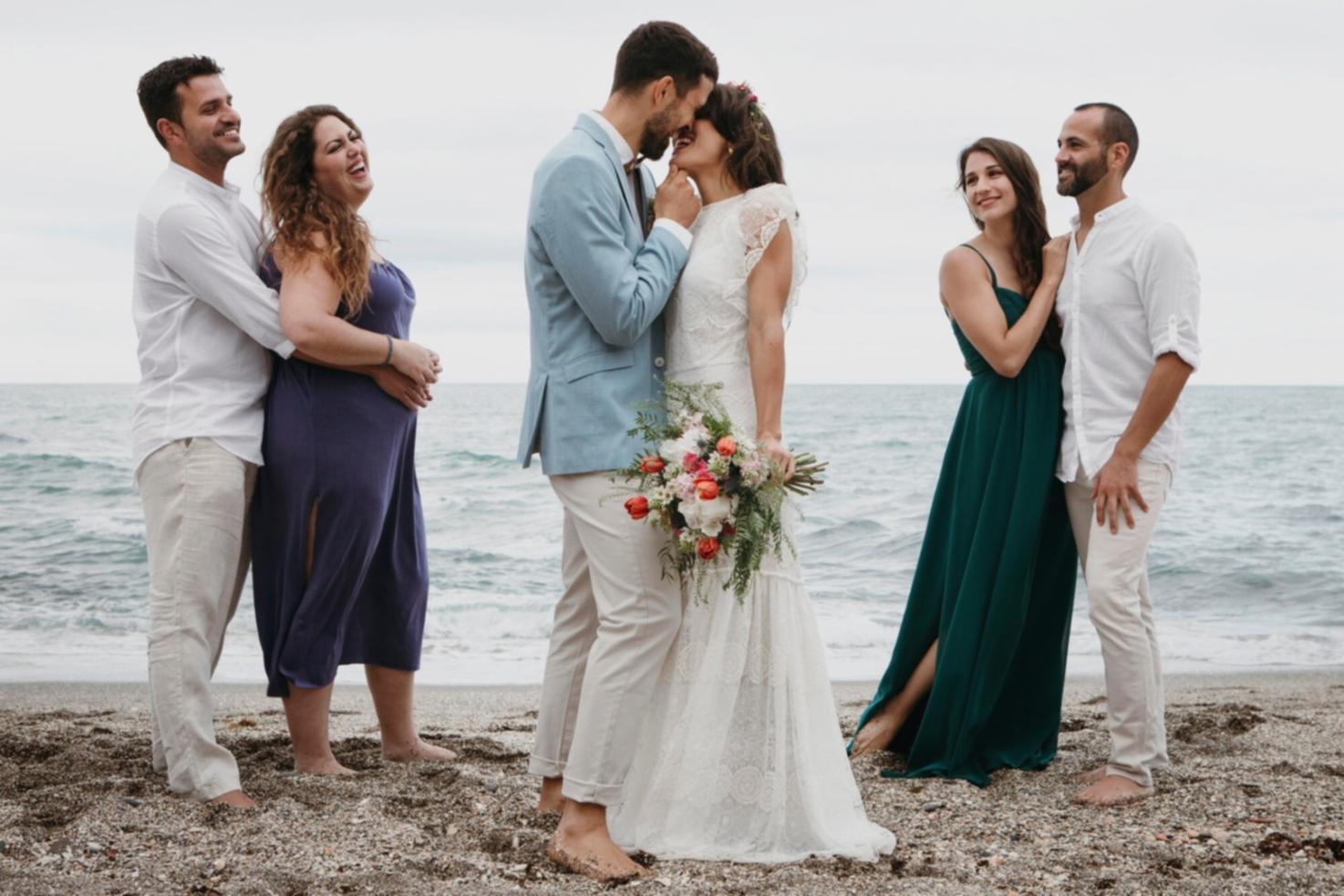
Students who turned course work into client work
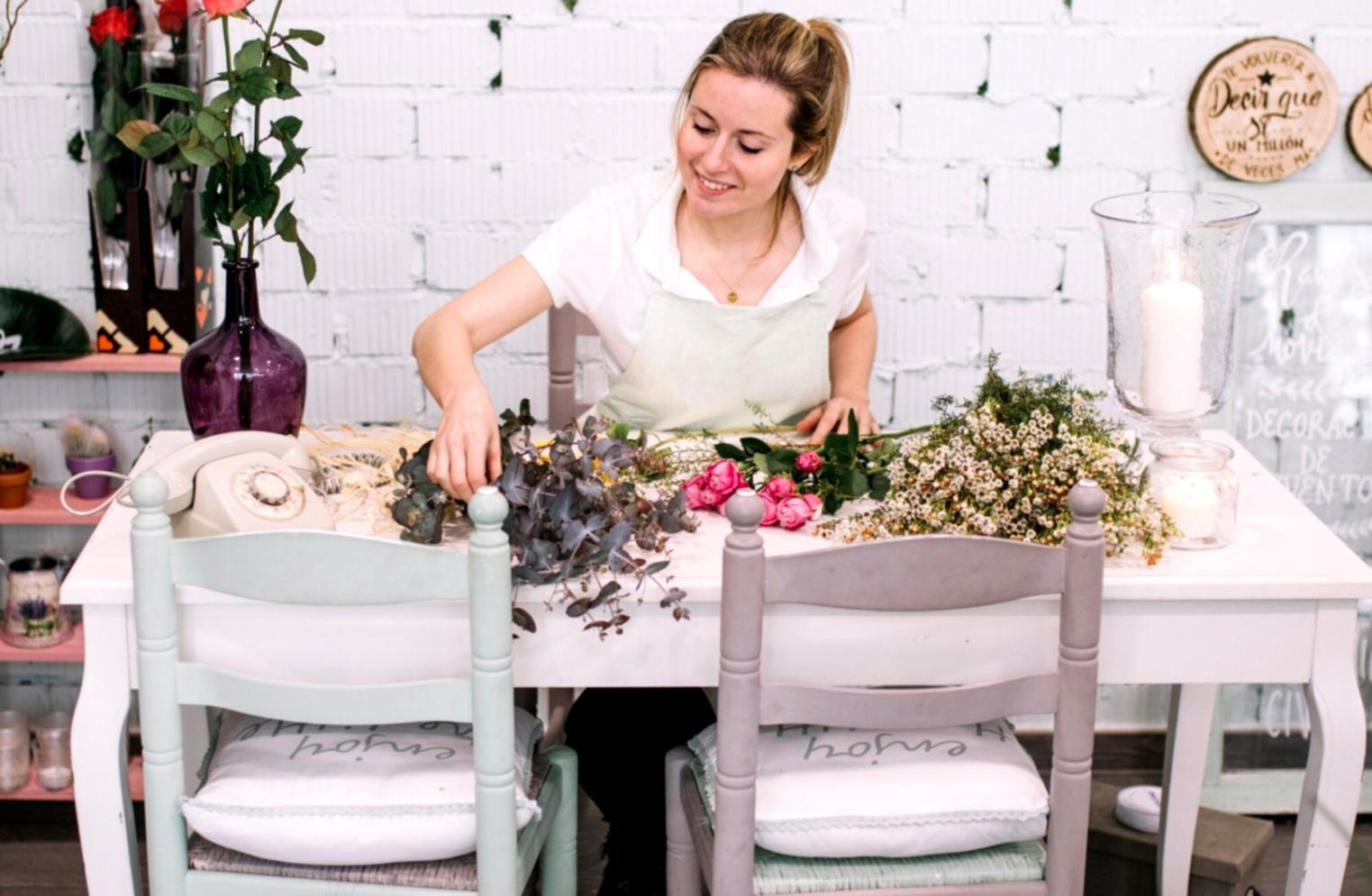
Liora Pemberton
Bristol, UK
I completed the wedding module in February and booked my first ceremony in April. The installation techniques from week three were exactly what I needed for the archway. The couple hired me again for their anniversary party.
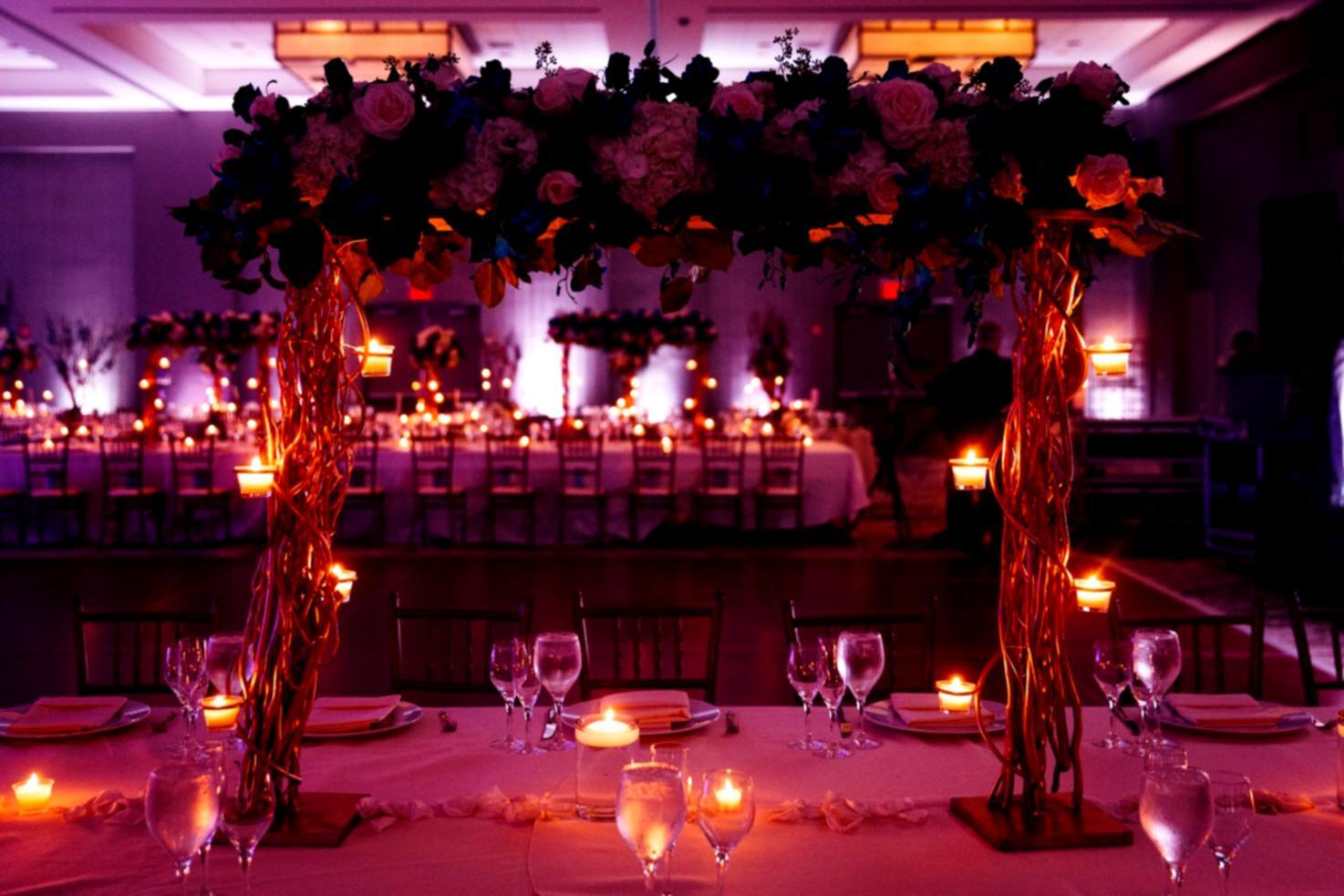
Darek Sokolowski
Kraków, Poland
The corporate events section helped me land a contract with a local hotel. They needed someone who could handle monthly business dinners, and I showed them assignments from the course. Been working with them for eight months now.
Yael Navarro
Valencia, Spain
I was already doing small arrangements for friends. After finishing the advanced installations module, I started getting referrals for larger events. The pricing module alone saved me from undercharging on my first big project.
Connected to what's happening in the industry
Current techniques, not outdated trends
Course content updates quarterly based on what's actually being requested at events. Instructors work on client projects between teaching, so lessons reflect current expectations around sustainability, installation time, and budget realities.
You get access to a resource library that includes supplier contacts, seasonal availability charts, and troubleshooting guides compiled from hundreds of real events. When something goes wrong during setup, you'll have references from people who've solved that exact problem under time pressure.
The platform includes a workspace where students share photos of completed projects and get feedback from both instructors and peers who've handled similar events. You see how others adapted techniques to different venues, climates, and client requests.